
Have you ever wondered at what point your income becomes taxable? Or perhaps you’re starting a new job or setting up as self-employed and want to know how much you can earn before the taxman takes a portion. Understanding the income tax thresholds, monthly limits, and deductions available in the UK is key to financial planning and compliance with HMRC regulations.
This guide takes a deep dive into how much you can earn before paying tax per month in the UK, considering the latest tax rates and allowances for the 2025/26 tax year. It also looks at what counts as taxable income, what can reduce your taxable amount, and what happens if your income increases or you miss deadlines.
What Is the Personal Allowance?

The Personal Allowance is the amount of income an individual in the UK can earn each year without paying income tax. For the 2025/26 tax year, this allowance is £12,570. This threshold applies to most people, although it can change depending on circumstances like age, visual impairment, or income level.
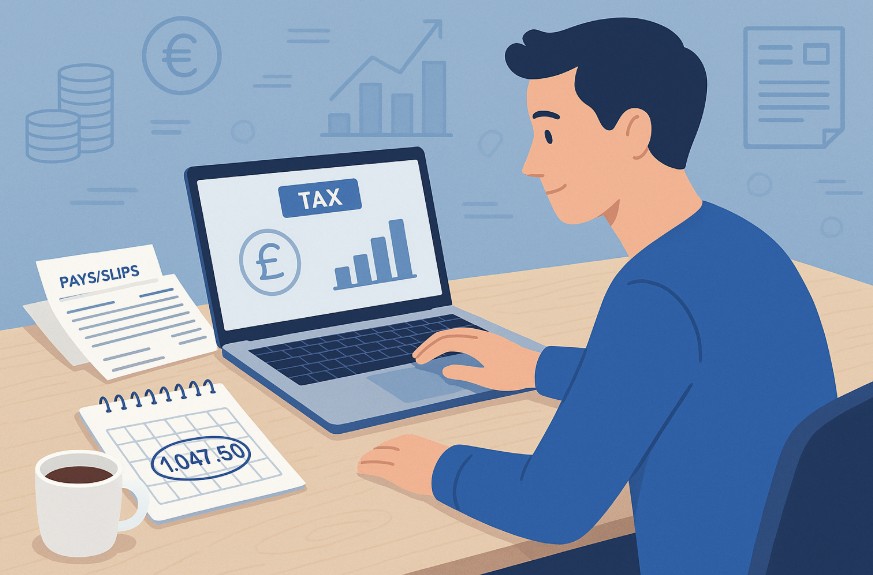
Translating this annual figure into monthly terms means that an individual can earn £1,047.50 per month tax-free. If you stay under this amount, you won’t be liable to pay income tax. However, National Insurance Contributions (NICs) may still apply, as they have separate thresholds.
The allowance gradually reduces once your income exceeds £100,000. For every £2 you earn above this threshold, £1 is deducted from your personal allowance. Once your income reaches £125,140 or more, your personal allowance is entirely removed, and every pound you earn is subject to tax.
Additionally, individuals who qualify for the Blind Person’s Allowance can increase their tax-free income by an additional £3,070 in the 2025/26 tax year. This means their overall tax-free allowance rises to £15,640, offering more breathing space before tax kicks in.
What Income Counts Toward Your Taxable Earnings?
Not all income is taxed equally. The UK tax system only taxes income above certain thresholds and allows for deductions on specific types of spending. Understanding what counts as taxable income helps to ensure you don’t overpay.
Taxable income includes wages from employment, profits from self-employment, rental income, pensions, and income from certain investments. HMRC allows self-employed individuals to deduct allowable expenses, which might include business-related travel, office equipment, and utilities.
However, some sources of income are either partially or completely exempt from taxation. This includes interest from ISAs (Individual Savings Accounts), certain state benefits, tax-free savings allowances, and income within the Personal Savings Allowance (up to £1,000 for basic rate taxpayers).
How Are Income Tax Bands Structured in the UK?
The UK uses a tiered tax system where income above the personal allowance is taxed at increasing rates based on defined income bands. These bands apply to income in England, Wales and Northern Ireland. Scotland uses its own structure, which differs slightly in rates and thresholds.
Here’s how the UK income tax bands look for the 2025/26 tax year:
Income Band | Taxable Income Range | Tax Rate |
Personal Allowance | Up to £12,570 | 0% |
Basic Rate | £12,571 to £50,270 | 20% |
Higher Rate | £50,271 to £125,140 | 40% |
Additional Rate | Over £125,140 | 45% |
For example, if your annual income is £35,000, the first £12,570 is tax-free. The remaining £22,430 is taxed at the basic rate of 20%, resulting in a tax bill of £4,486. Similarly, if you earn £20,000 annually, £12,570 is tax-free, and you pay 20% tax on the remaining £7,430, which comes to £1,486.
How Much Can You Earn Before Paying Tax Each Month?
When considering monthly income, it’s crucial to divide the personal allowance evenly over 12 months. For 2025/26, the monthly equivalent of the £12,570 allowance is £1,047.50. This means if your total income from all sources is under this figure, you will not pay income tax.
However, it’s worth noting that National Insurance Contributions begin at the same threshold of £12,570 per year. So, even though you may not pay income tax, you might still be liable for NICs depending on your employment status and total earnings.
For employees paid under PAYE (Pay As You Earn), tax is deducted automatically from wages based on their tax code. For the self-employed, the same thresholds apply, but tax is paid through Self Assessment, typically in two instalments known as “payments on account.”
What Happens If Your Income Increases Beyond the Personal Allowance?
As soon as your income exceeds the personal allowance, the excess becomes taxable. The tax rate you pay depends on how far your income falls within the bands mentioned earlier.
Let’s consider a practical example. If your income increases from £20,000 to £35,000, your taxable income will rise from £7,430 to £22,430 (after deducting the personal allowance). This would result in a tax liability of £4,486, compared to £1,486 at the lower income.
Those with incomes over £100,000 need to be especially cautious. Beyond this point, their personal allowance starts decreasing, which means they’ll begin paying tax on portions of income that were previously tax-free. Once income hits £125,140, the entire personal allowance is lost, and all income is taxable.
This effectively creates a higher marginal tax rate in the income range between £100,000 and £125,140 due to the phased withdrawal of the personal allowance.
How Do Tax Codes Influence Your Monthly Take-Home Pay?
Your tax code plays a vital role in determining how much tax is deducted from your monthly earnings. The most common tax code for the 2025/26 year is 1257L, which represents a personal allowance of £12,570.
If your tax code is incorrect due to changes in income, benefits received, or employment status, you could be paying too much or too little tax. It’s essential to check your tax code regularly, especially after changing jobs or sources of income.
HMRC allows individuals to view and update their tax code through the Personal Tax Account online. If you spot an issue or if your circumstances have changed, you can correct it easily to avoid surprises at the end of the tax year.
What Allowances and Deductions Can Help You Pay Less Tax?

Aside from the personal allowance, the UK tax system includes several other deductions and allowances designed to reduce the amount of taxable income. These are particularly valuable for self-employed workers and those with variable incomes.
One of the most important deductions for business owners and freelancers is allowable expenses. These are costs directly related to running a business and may include office supplies, travel expenses, marketing, and professional fees. By deducting these from your income, you reduce the amount subject to tax.
Other key deductions and allowances include:
- Marriage Allowance: If one partner earns less than the personal allowance, they can transfer up to £1,260 of unused allowance to their spouse, potentially reducing the couple’s tax bill.
- Personal Savings Allowance: Basic rate taxpayers can earn up to £1,000 in interest from savings tax-free.
- Pension Contributions: Contributions to qualifying pension schemes are tax-deductible, reducing your taxable income.
- Blind Person’s Allowance: Offers an additional tax-free allowance to individuals registered as blind.
- Research and Development Relief: Businesses involved in innovative projects may be eligible for tax credits through HMRC’s R&D scheme.
Each of these allowances and deductions can make a significant difference in how much tax you pay each month, and understanding them can help reduce your liability legally.
What Are the Consequences of Missing Tax Deadlines?
For those who submit Self Assessment tax returns, meeting HMRC’s deadlines is critical. Missing a deadline doesn’t just result in administrative inconvenience—it can lead to substantial penalties.
If you fail to file your tax return on time, you’ll be issued an automatic £100 fine. After three months, this is followed by £10 per day penalties for up to 90 days (a total of £900). If your return is more than six months late, additional penalties may apply based on how much tax you owe.
To avoid these penalties, it’s advisable to file your tax return as soon as possible, even if you miss the deadline. HMRC may show leniency if you have a reasonable excuse, but you must contact them promptly. For complex situations, speaking with a tax advisor can help bring things back on track.
How Can You Keep Track of Your Tax Responsibilities?

Managing tax doesn’t stop at understanding thresholds. It also requires regular monitoring of your income, deductions, and payments.
One of the best tools to stay on top of your tax obligations is the HMRC Personal Tax Account, which allows you to:
- Check your tax code and personal allowance
- View how much tax you’ve paid
- See what you’re likely to pay for the rest of the tax year
- Update your income or employment details
Additionally, using accounting software or working with a tax advisor can simplify the process, especially for those with multiple income sources or self-employment earnings.
Conclusion
Understanding how much you can earn before paying tax per month gives you more control over your finances. Whether you’re an employee, pensioner, or self-employed professional, the Personal Allowance and tax bands play a key role in determining your monthly take-home pay.
By tracking your income, applying eligible allowances, and staying compliant with HMRC rules, you can minimise your tax bill and avoid unexpected penalties. If in doubt, consult with a tax professional to ensure you’re making the most of every deduction legally available.
Frequently Asked Questions
What counts as taxable income in the UK?
Taxable income includes employment wages, self-employment profits, pensions, rental income, and most interest earned. Certain types of income, such as ISA interest or child benefits, may be non-taxable or partially exempt.
How do pension contributions reduce my tax bill?
Pension contributions are deducted from your gross income before tax is calculated. This means you’re taxed on a smaller portion of your income, reducing your total tax liability.
How much can I earn before tax?
In the 2025/26 tax year, you can earn up to £12,570 annually or £1,047.50 per month before paying income tax. This is your Personal Allowance. If you earn over £100,000, this allowance is reduced and removed entirely once income reaches £125,140.
Is rental income taxed differently?
Rental income is added to your total income and taxed according to the applicable band. However, landlords can deduct allowable expenses such as mortgage interest, letting agent fees, and maintenance costs.
Can I get a refund if I overpay tax?
Yes, you can claim a refund through your HMRC account or by submitting a P800 or Self Assessment form if you’ve overpaid due to an incorrect tax code or other issues.
Are self-employed tax rates different?
No, the income tax bands are the same for everyone. However, self-employed individuals pay tax through Self Assessment and also pay Class 2 and Class 4 National Insurance separately.